
Construction Products Regulations (CPR) and Harmonised Standards EN 10025, EN 10210, EN 10219, EN 10088, and EN 15088 - structural metallic products
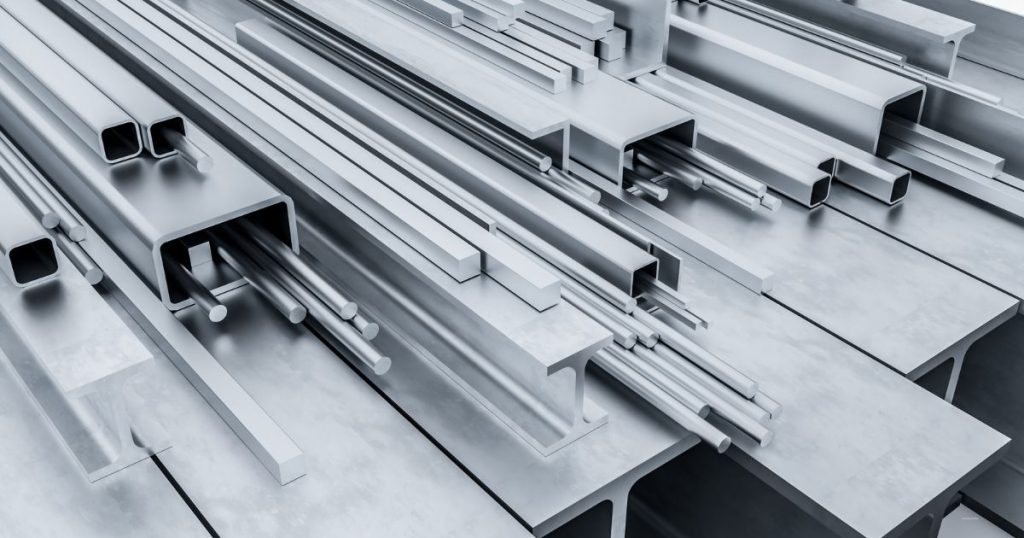
Harmonised Standards EN 10025, EN 10210, EN 10219, EN 10088, and EN 15088 define the mechanical, physical, and chemical properties that the metal must possess when it leaves the mill.
They provide the traceability that you need to gain EN 1090 under the Construction Product Regulations.
- EN 10025-1: Hot-rolled structural steel products (e.g., standard I-beams, channels, plates, and angles).
- EN 10210-1: Hot-finished structural hollow sections (seamless or welded steel tubes).
- EN 10219-1: Cold-formed welded structural hollow sections.
- EN 10088-4 and -5: Stainless steel products (plates, sheets, and strips for structural use).
- EN 15088: Aluminium and aluminium alloys for structural construction applications.
How do these standards work together with EN 1090?
EN 1090 covers the manufacturing control of fabricated components. It ensures that a company has the certified systems, qualified welders, and quality controls in place to transform raw materials into safe, load-bearing structural parts.
For example, a manufacturer purchases raw steel, which has been certified under EN 10025. Welding, cutting and drilling etc will be covered according to the quality requirements to create the finished structural steel product. This product will get a CE mark under EN 1090, which is backed by the material traceability of EN 10025.